
Roofing Insights
The 2020 Tornado and Donelson Roofs
What homeowners should know five years after the EF3
The March 3, 2020 EF3 tornado that tracked through Davidson County was one of the most significant storm events Middle Tennessee has seen. For Donelson homeowners, the aftermath is still playing out — not in the obvious way it was in 2020, but in slow leaks, failing patches, and storm-era repairs that are now showing their limits.
What Happened
Donelson TN 2020 Tornado Roof: The March 3, 2020 EF3 Tornado
Donelson TN 2020 Tornado Roof is a question Donelson, TN property owners ask us often, and this Donelson TN 2020 Tornado Roof guide gives a clear answer. For local context we reference National Weather Service data, and every repair or replacement we make meets GAF manufacturer standards. The tornado that struck Nashville on March 3, 2020 was rated EF3, with winds reaching approximately 165 mph at peak intensity. It tracked through East Nashville, through Donelson, and into surrounding Davidson County neighborhoods, leaving a path of structural damage that included complete roof removals — what storm teams call “deroofings” — in the hardest-hit areas. For Donelson property owners, getting Donelson TN 2020 Tornado Roof handled correctly protects both the roof and any insurance claim.
Donelson neighborhoods including the area around Stanford Estates sustained significant damage. Not all damage was catastrophic — much of it was fringe-zone damage: homes that appeared to escape serious harm but sustained structural stress to fastening patterns, underlayment, and flashing that only becomes apparent as the years pass and water finds the weakened points.
Five Years Later Our crews document Donelson TN 2020 Tornado Roof across Donelson and the surrounding Middle Tennessee area.
What Deferred Damage Looks Like Now

In the years following a major storm event, roofing contractors see a predictable wave of calls from homeowners whose 2020 repairs are now failing. The mechanics are straightforward: post-disaster repairs are often done quickly, under insurance time pressure, by crews working at volume. The visible damage is addressed; the underlying structural stress is not.
Signs that storm-era repairs are failing
- Slow leaks that appear only during heavy or sustained rain — not during brief showers
- Staining at interior ceiling or wall surfaces that wasn’t present before 2021
- Granule accumulation in gutters that exceeds normal aging rates
- Visible step flashing gaps at chimneys or dormers — common when counter-flashing wasn’t properly reset after wind lift
- Soft spots on the decking surface, felt when walking — indicates moisture-compromised sheathing
- Ridge cap shingles that move or flex more than expected — can indicate fasteners that pulled and were not reset at full depth
If your home is in a Donelson neighborhood that was in or near the 2020 track, and you haven’t had a professional inspection since the initial repair, now is the time. The longer moisture-stressed decking goes without assessment, the more expensive the eventual repair becomes.
Claims & Documentation
Supplemental Claims: Are You Entitled to More?
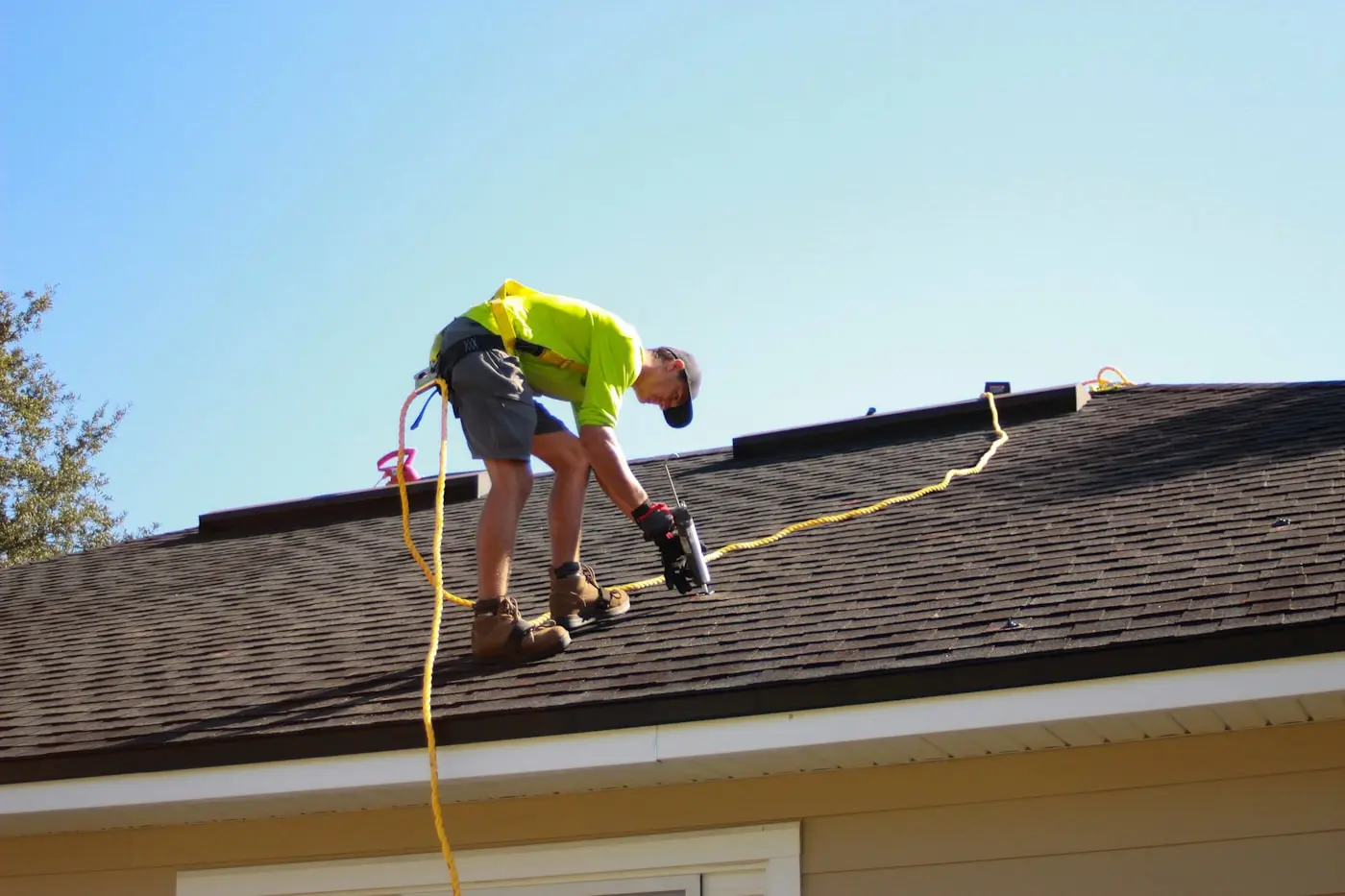
If you filed a claim in 2020 and the original settlement covered only visible damage, you may have grounds for a supplemental claim if additional storm-related damage is now documented. The path is: get a current professional inspection, document storm-pattern damage that differs from normal aging, and have your contractor submit the supplemental scope to your carrier with supporting photographs.
Whether a supplemental claim is viable depends on your policy’s reopener provisions, your carrier’s position on the original claim, and whether current damage patterns can be tied to the 2020 event versus subsequent storms or normal aging. An experienced contractor can help you distinguish between the two — but it’s not always a simple determination. What is always appropriate is a written inspection that establishes current conditions.
For homes that changed ownership since 2020 — common in Donelson’s active real estate market — a pre-purchase or early-ownership inspection is especially important. Storm history doesn’t transfer with disclosure; damage does.
See also: storm damage roof repair in Donelson, TN for current assessment and repair services. A documented Donelson TN 2020 Tornado Roof assessment is the best protection for Donelson property owners.
Free Inspection
What Did the 2020 Tornado Leave Behind?
A thorough written inspection tells you where the storm-era repairs held and where they didn't. Schedule before you see the next storm season.