Roofing Insights
Thompson Station New Construction Roofing Guide
What builder-grade means for your Williamson County subdivision roof
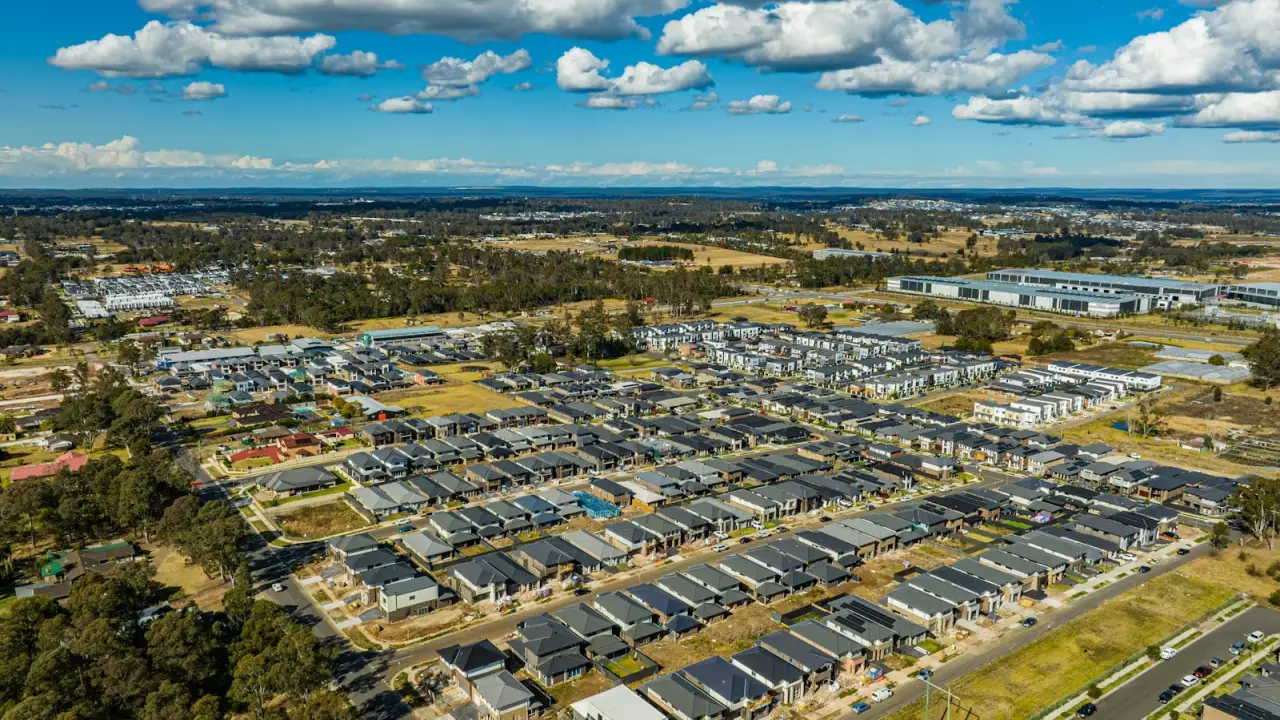
Thompson Station has added thousands of homes in the last decade across subdivisions like Tollgate Village, Bridgemore, and Stephens Valley. Most were built with competitive-bid roofing — minimum-spec materials and installation practices designed to meet code while keeping the builder's cost down. This guide explains what that means for warranty, durability, and when an upgrade makes sense.
Thompson Station TN New Construction Roofing: What Builder-Grade Roofing Actually Means
Thompson Station TN New Construction Roofing is a question Thompson Station, TN property owners ask us often, and this Thompson Station TN New Construction Roofing guide gives a clear answer. For local context we reference National Weather Service data, and every repair or replacement we make meets GAF manufacturer standards. Builder-grade roofing refers to the materials and installation methods used in production housing — the homes built by large developers across communities like Thompson Station. It does not mean defective; it means optimized for the builder’s cost and timeline, not your long-term performance. In practice, this typically means architectural shingles at the lower end of the weight range, standard organic felt underlayment rather than synthetic, fastener patterns at the code minimum, and ice-and-water shield only at the legally required locations.
Common Builder-Grade Shortcuts in Williamson County
The most common installation gaps we find when inspecting builder-grade roofs in Thompson Station subdivisions: overdriven fasteners that break through the shingle mat rather than seating flush, insufficient nailing patterns on steep-pitch sections, ice-and-water shield that stops at the minimum 24-inch interior wall overhang rather than extending to ridge-adjacent valleys, and step flashing that is nailed rather than woven. None of these are visible from the ground, and most do not cause problems immediately — they show up as accelerated wear or leak pathways 8-12 years in. For Thompson Station property owners, getting Thompson Station TN New Construction Roofing handled correctly protects both the roof and any insurance claim.
Understanding Your Shingle Warranty
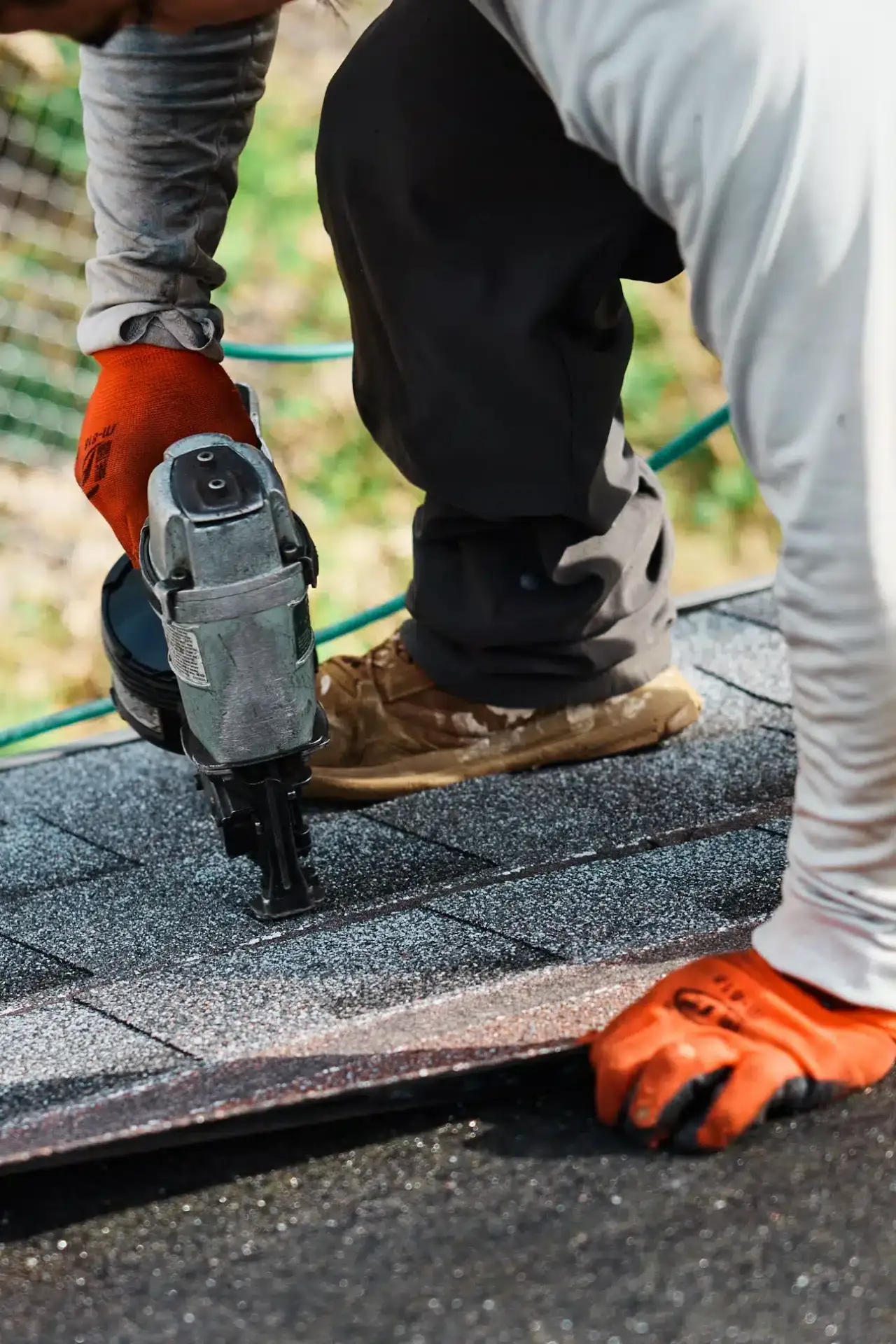
Most builder-grade architectural shingles carry a 25 or 30-year limited warranty. That warranty has conditions. The most common one that voids coverage in builder-grade installations: the shingles must be installed by a contractor who follows the manufacturer’s installation requirements for fastener count, placement, and exposure. If the builder’s roofer overdrove nails or used the wrong fastener pattern, the warranty can be voided — and the manufacturer will not tell you this until you file a claim.
A GAF-certified inspector can evaluate your installation against GAF’s requirements and document whether the warranty terms were met. If they were not, you have a time window — typically tied to the builder’s workmanship warranty period — to pursue a remedy. After that window closes, you own the issue. Our crews document Thompson Station TN New Construction Roofing across Thompson Station and the surrounding Middle Tennessee area.
When to Upgrade Your Thompson Station Roof
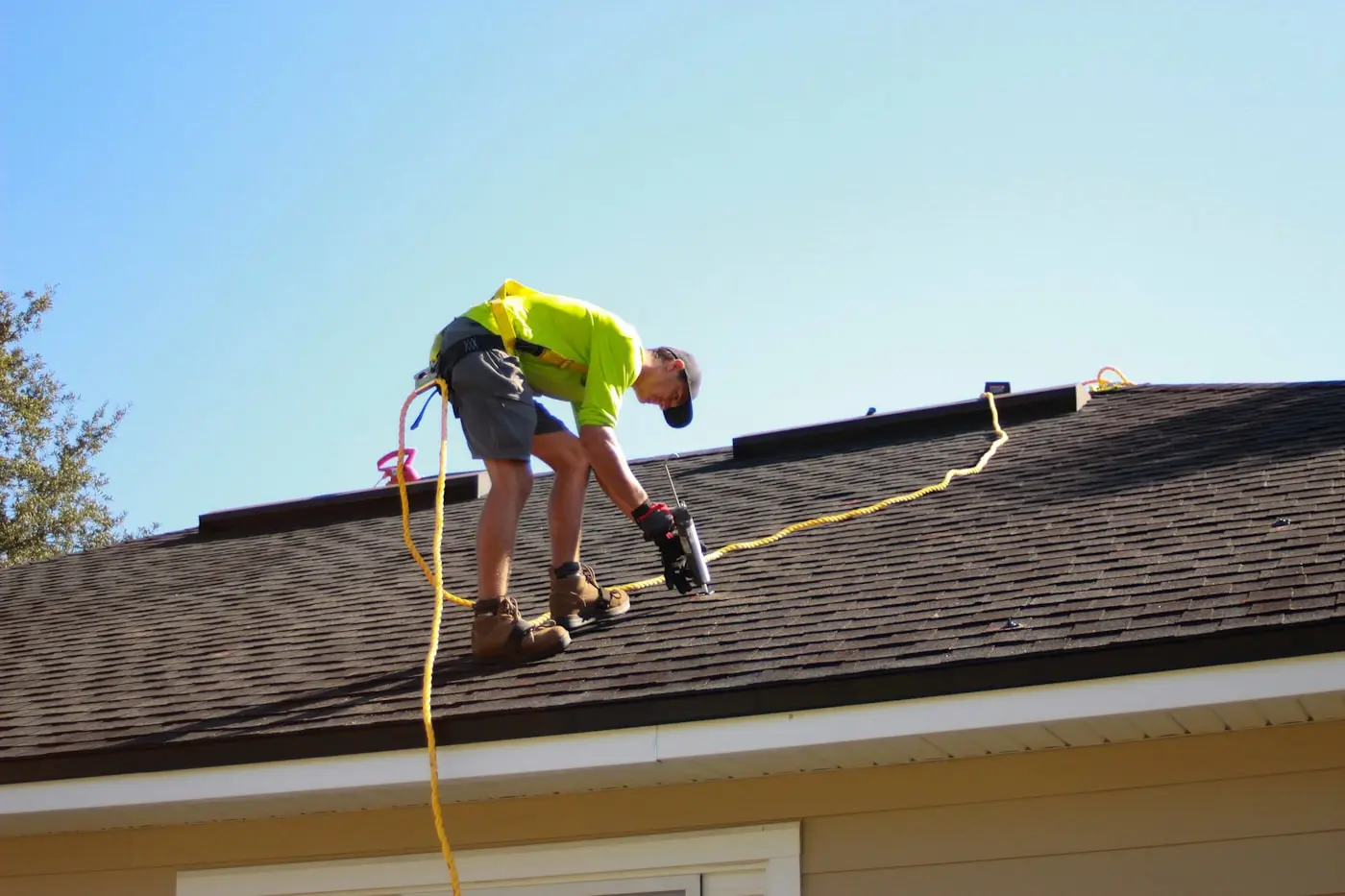
Two scenarios make the most financial sense for a proactive upgrade: (1) You are 8-12 years into a builder-grade install and a Williamson County hail event has occurred — a Class 4 impact-rated system costs incrementally more at replacement time but typically qualifies for a homeowner’s insurance discount that pays back the difference within 3-5 years. (2) You are preparing to sell in a market where buyers increasingly request inspection reports — a 10-year-old builder-grade roof with undocumented hail events is a negotiating liability; a documented new replacement is a selling point.
Related Resources A documented Thompson Station TN New Construction Roofing assessment is the best protection for Thompson Station property owners.
More on Thompson Station Roofing
Free Inspection
Know What Your Builder-Grade Roof Actually Looks Like.
Written inspection report with photo documentation for Thompson Station subdivision homes. Warranty assessment available.