Most homeowners never think about attic ventilation — until a roofer points to rotted decking, a moldy attic, or shingles that failed years early. Ventilation is one of the most overlooked parts of a roofing system, yet it has an outsized effect on how long your roof lasts and how comfortable (and affordable) your home is to live in. In a climate like Middle Tennessee’s, with hot humid summers and damp winters, getting it right matters more than most people realize.
The attic problem: heat in summer, moisture in winter
An unventilated or poorly ventilated attic works against you in both seasons. In summer, it becomes a heat trap that can reach 150 to 160°F, baking the underside of your roof and radiating heat down into your living space. In winter, it becomes a moisture trap: warm, damp air from inside your home rises into the cold attic, condenses on the underside of the roof, and creates the perfect conditions for mold and wood rot. Either way, the roof and your wallet pay the price.
How roof ventilation actually works
A healthy attic breathes. Cool, dry outdoor air enters through intake vents at the lowest part of the roof — usually the soffits along the eaves. As that air warms inside the attic, it rises and escapes through exhaust vents at the highest point, typically a ridge vent running along the peak. This continuous flow carries heat and moisture out and pulls fresh air in, all without any moving parts. The result is an attic that stays closer to the outdoor temperature and humidity instead of trapping the worst of both.
The golden rule: keep it balanced
The single most important principle of roof ventilation is balance: the amount of intake at the soffits should roughly match the amount of exhaust at the ridge. A common guideline is to split the ventilation evenly, with roughly 40 to 50 percent of the openings at the ridge for exhaust and the rest down low for intake. As a sizing rule of thumb, many builders aim for about 1 square foot of net free ventilation for every 300 square feet of attic floor, divided evenly between intake and exhaust.
Why imbalance backfires
It is tempting to think “more exhaust is better,” but an imbalanced system actually performs worse. If you have more exhaust than intake, the exhaust vents can’t pull enough fresh air from the soffits — so instead they pull conditioned air straight out of your living space through gaps in the ceiling. That means your air conditioner and furnace end up venting expensive heated or cooled air right through the roof, driving up your energy bills while the attic still doesn’t breathe properly. Balance, not brute force, is what makes ventilation work.
What poor ventilation really costs you
When an attic can’t breathe, the damage adds up:
- Shorter roof life. Trapped heat accelerates shingle deterioration, aging your roof years before its time.
- Rotted decking and mold. Winter condensation soaks the decking and insulation, leading to rot and mold growth.
- Higher energy bills. A superheated attic makes your cooling system work overtime all summer.
- Voided warranties. Many shingle manufacturers require adequate ventilation, and inadequate airflow can void your warranty.
Signs your roof isn’t breathing right
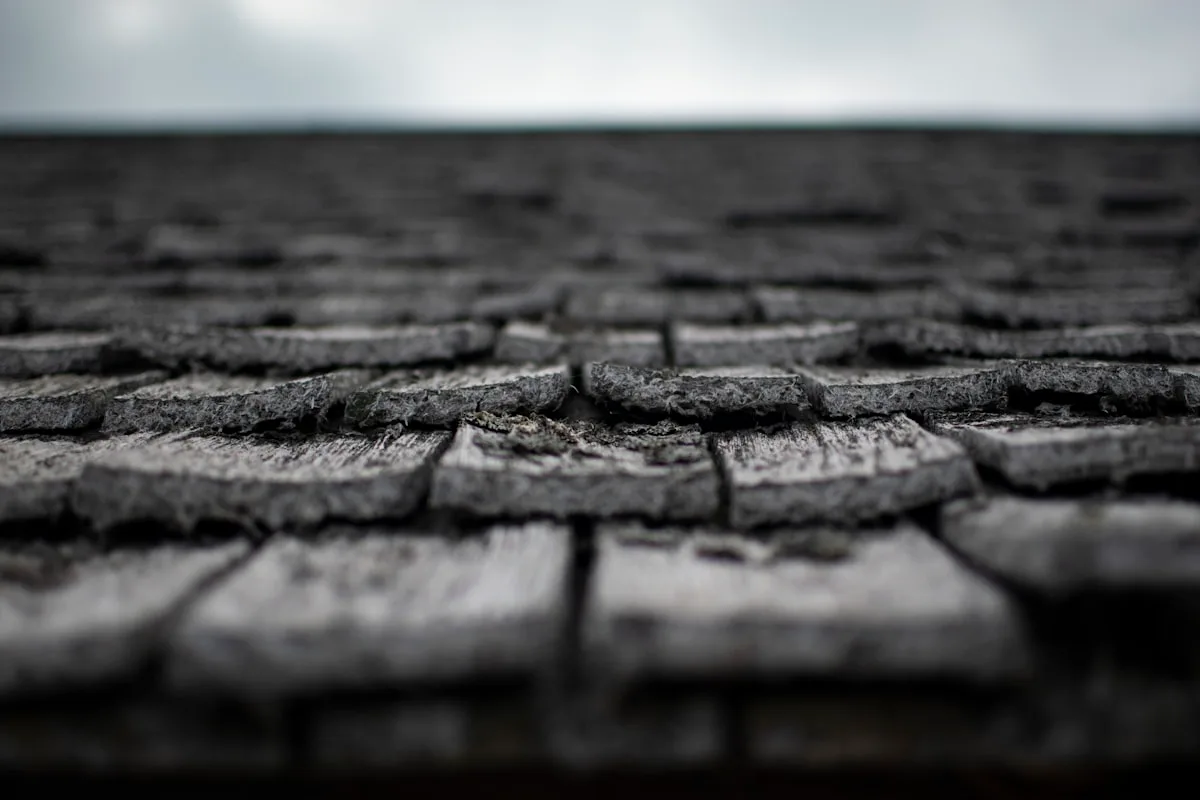
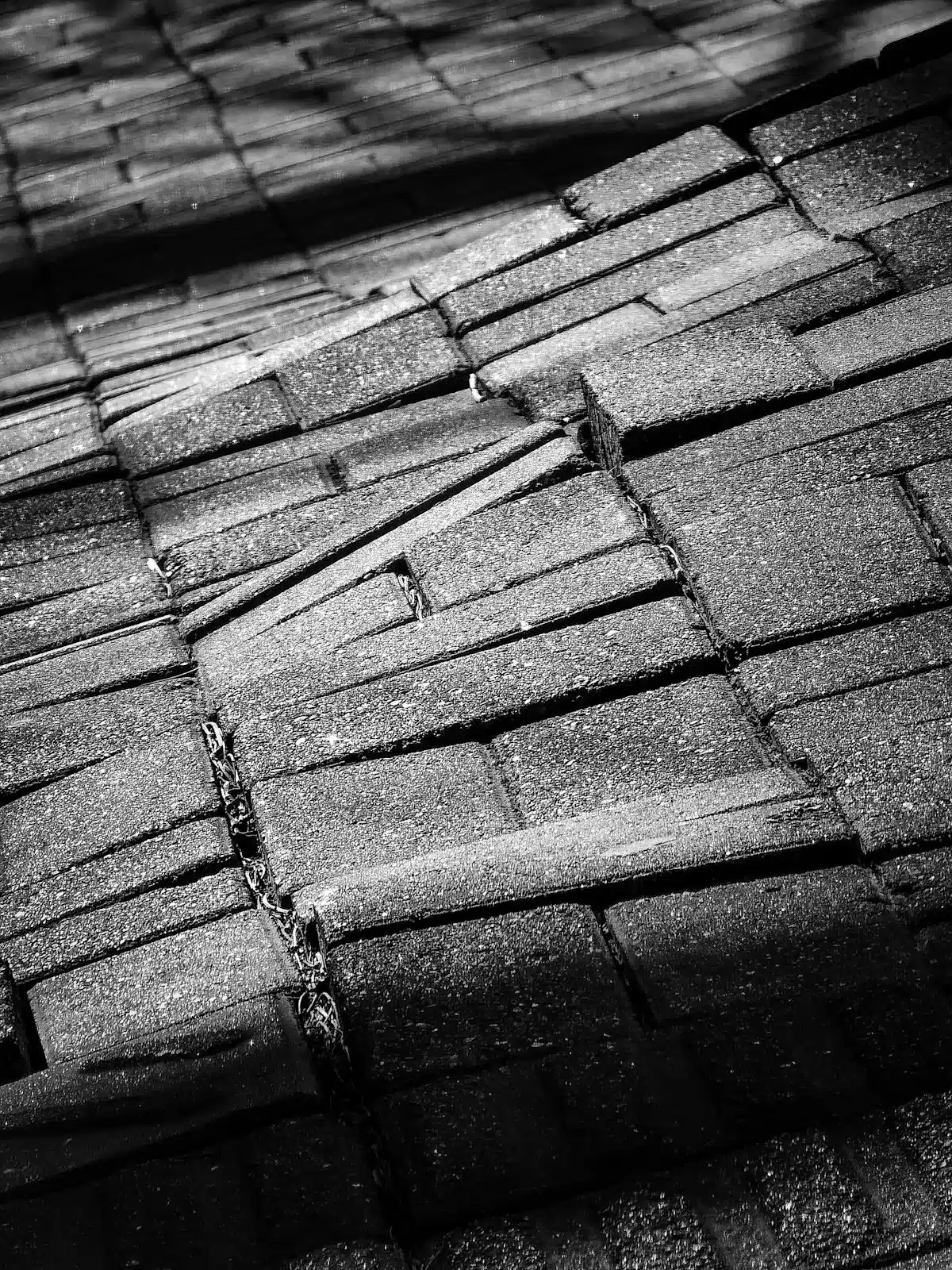
You can often spot ventilation trouble without climbing on the roof. Watch for an attic that feels like a furnace on a summer afternoon, a musty or moldy smell up there, dark staining or frost on the underside of the roof decking, rusted nails in the attic, unusually high energy bills, or shingles that are curling and wearing out faster than they should. Ice forming along the roof edge in winter is another classic clue that warm air is escaping into the attic.
Getting your ventilation right
Good ventilation is one of the cheapest forms of insurance for an expensive roof. If your attic runs hot, your bills are creeping up, or your shingles are aging early, it is worth having the ventilation evaluated — especially before you invest in a new roof, since the right time to fix airflow is when the roof is being replaced. Southern Roofing Co. has helped Middle Tennessee homeowners balance and improve attic ventilation for over four decades. Schedule an inspection and we will tell you how well your roof is breathing.