When your summer energy bill climbs, the air conditioner gets the blame — but a big part of the story is happening over your head. Your roof is one of the largest surfaces on your home and the one most exposed to the sun, which makes it a major factor in how much you spend to stay comfortable. Understanding the roof’s role in energy efficiency can help you cut cooling costs in our hot Middle Tennessee summers and keep your home steadier year-round.
Your roof is part of your home’s energy system
Think of your roof, attic, and insulation as a single system that manages heat. On a sunny day, the roof either absorbs the sun’s energy and passes that heat down into your attic and living space, or it reflects and releases that energy before it ever gets inside. A dark, heat-absorbing roof forces your air conditioner to fight a constant uphill battle; an efficient roof takes much of that load off before it starts.
Reflectivity: the biggest lever
The most powerful factor is solar reflectance — how much sunlight your roof bounces away instead of soaking up. Reflective “cool” roofing materials and lighter colors keep the roof surface dramatically cooler; a reflective surface can run roughly 50 to 60°F cooler than a dark one at the peak of a summer afternoon. The payoff shows up on your bill: a properly installed cool roof can reduce cooling costs by somewhere around 10 to 25 percent, with the biggest gains for homeowners switching away from dark asphalt shingles.
It’s not just reflectance — emittance matters too
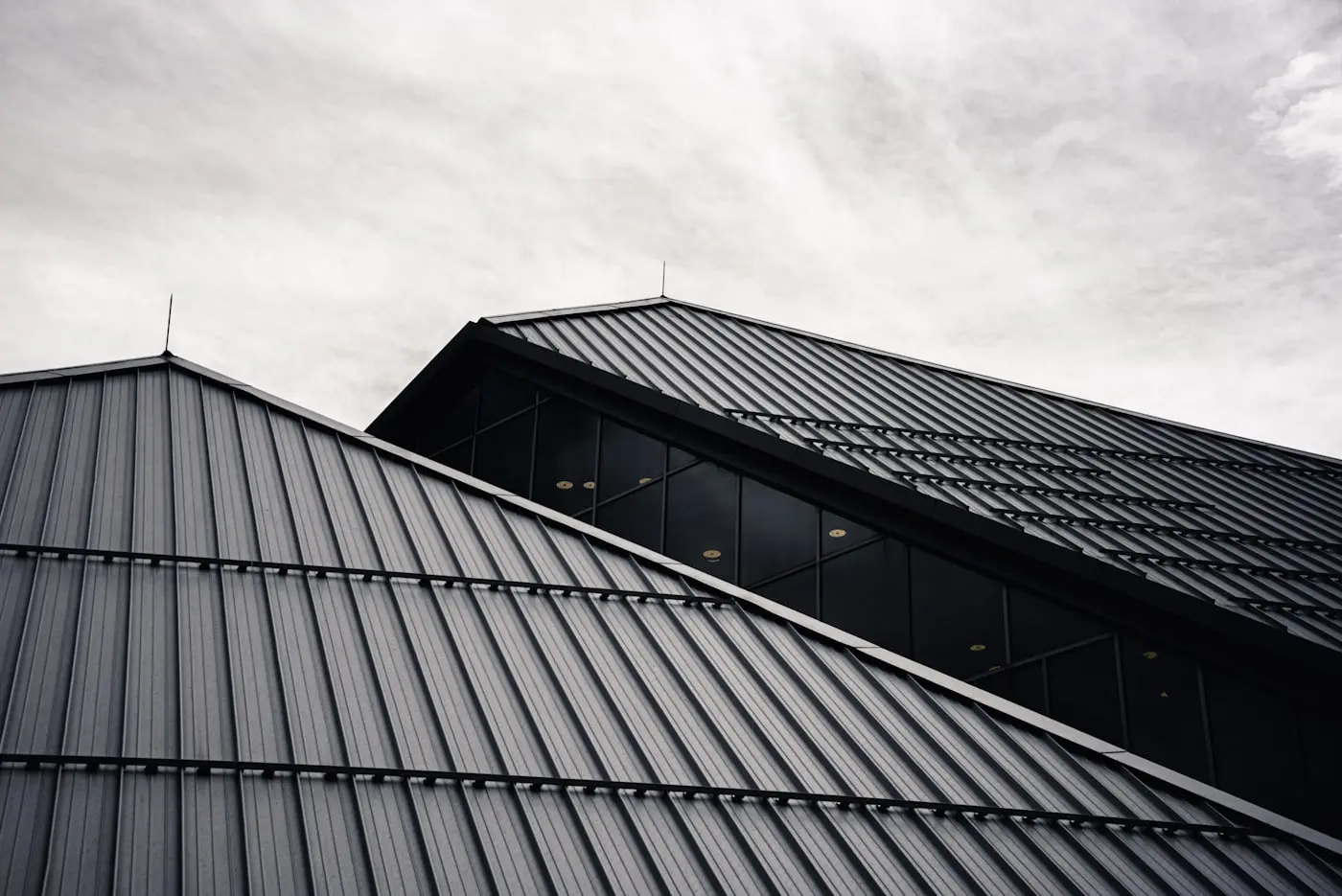
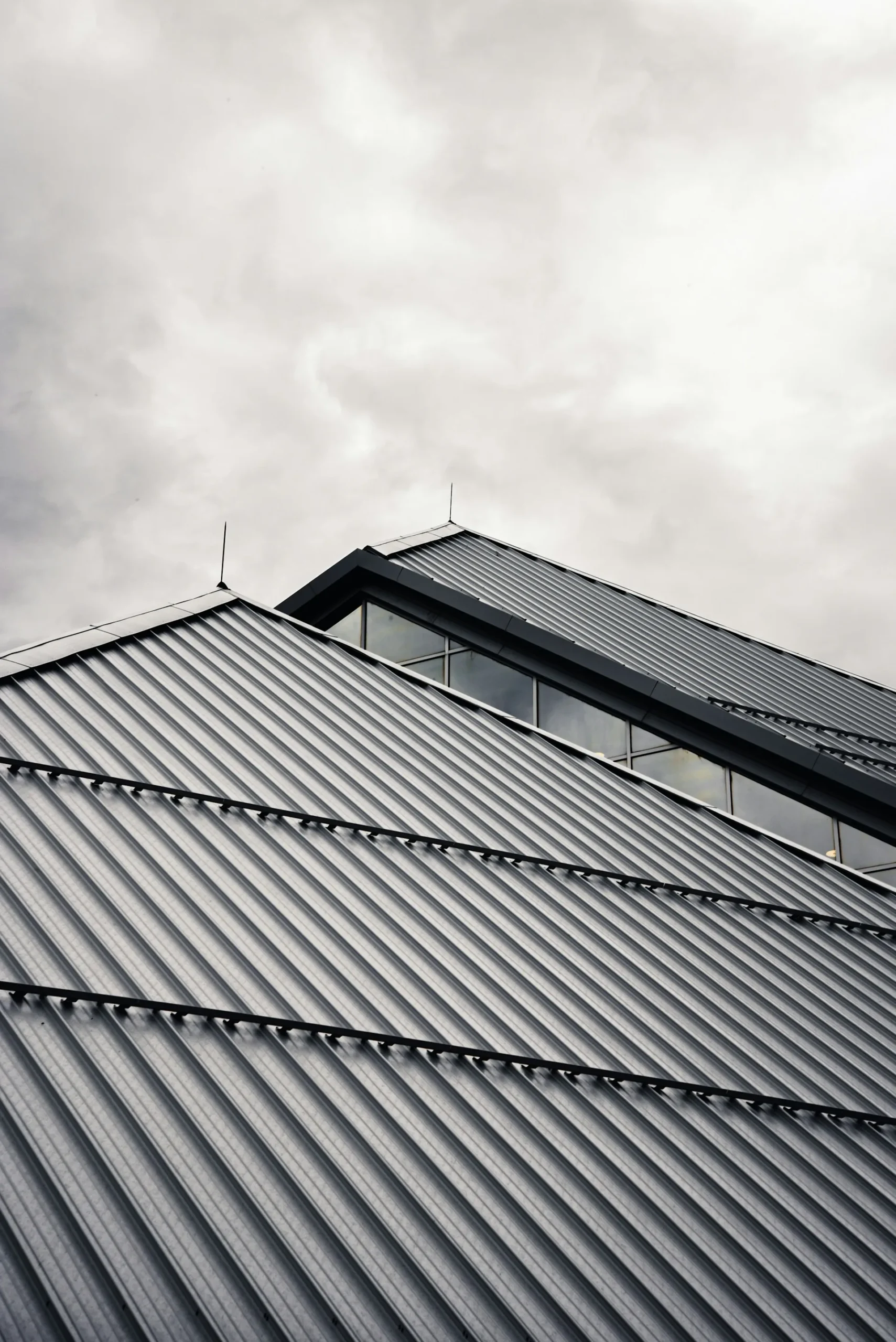
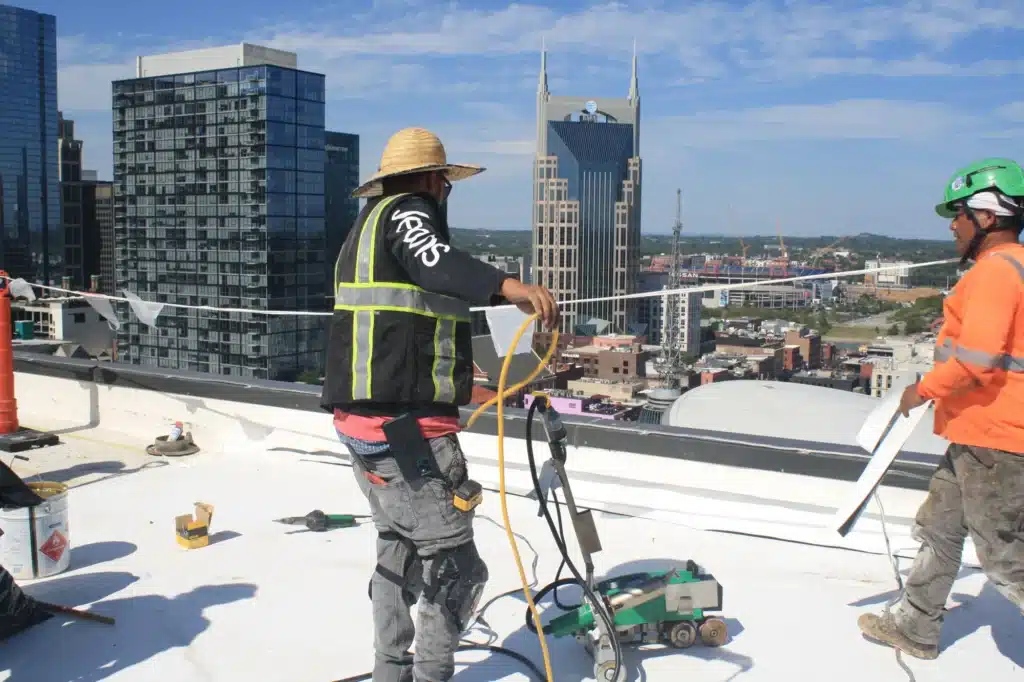
Reflecting sunlight is half the job. The other half is thermal emittance — how quickly a roof releases the heat it does absorb instead of holding onto it and radiating it into your attic for hours after sunset. This is one reason metal performs so well: a light-colored metal roof with a reflective coating both reflects a lot of sun and sheds absorbed heat quickly, so your attic cools down faster in the evening. A truly efficient roof scores well on both reflectance and emittance.
Color helps — but you’re not stuck with white
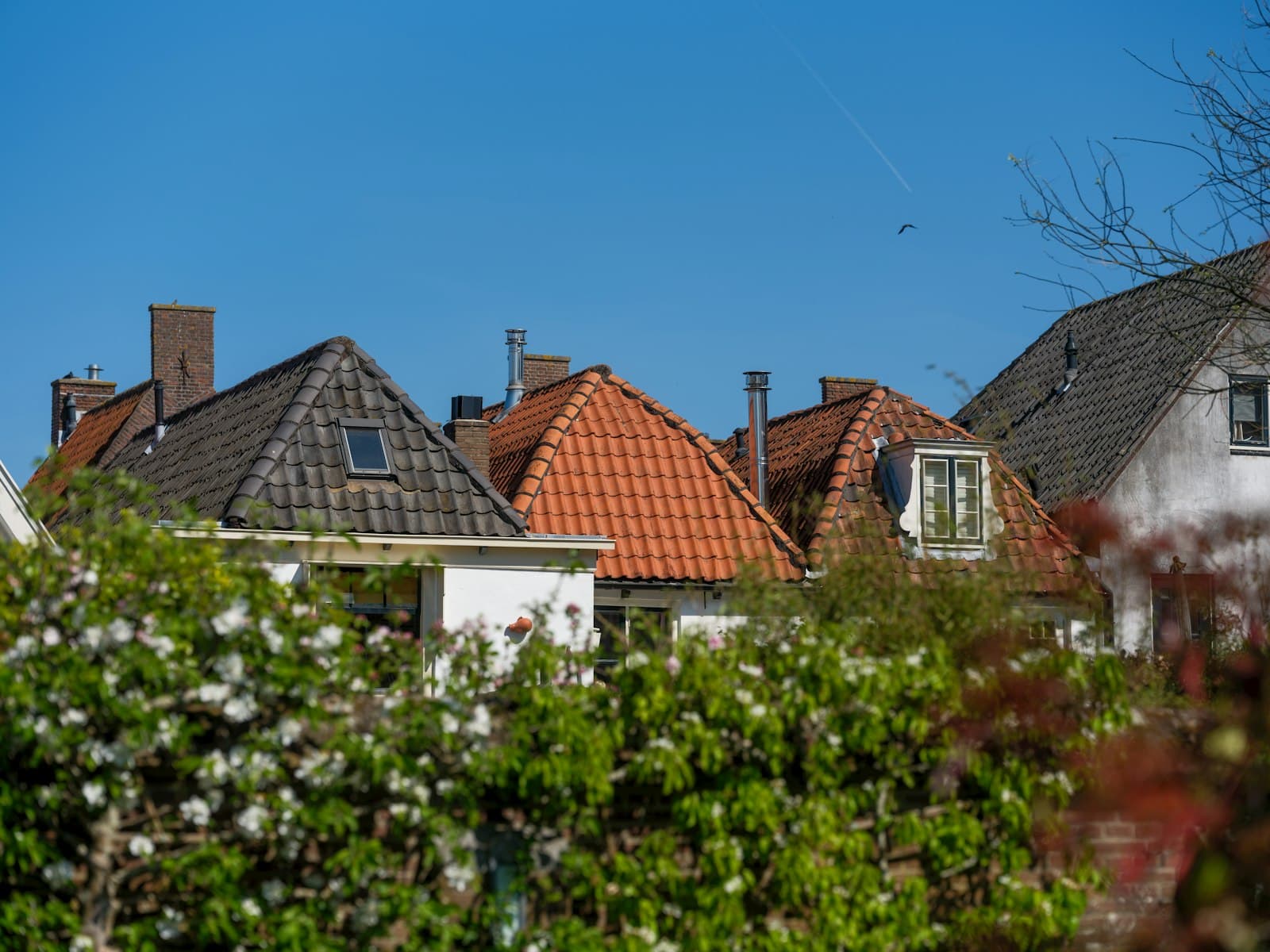
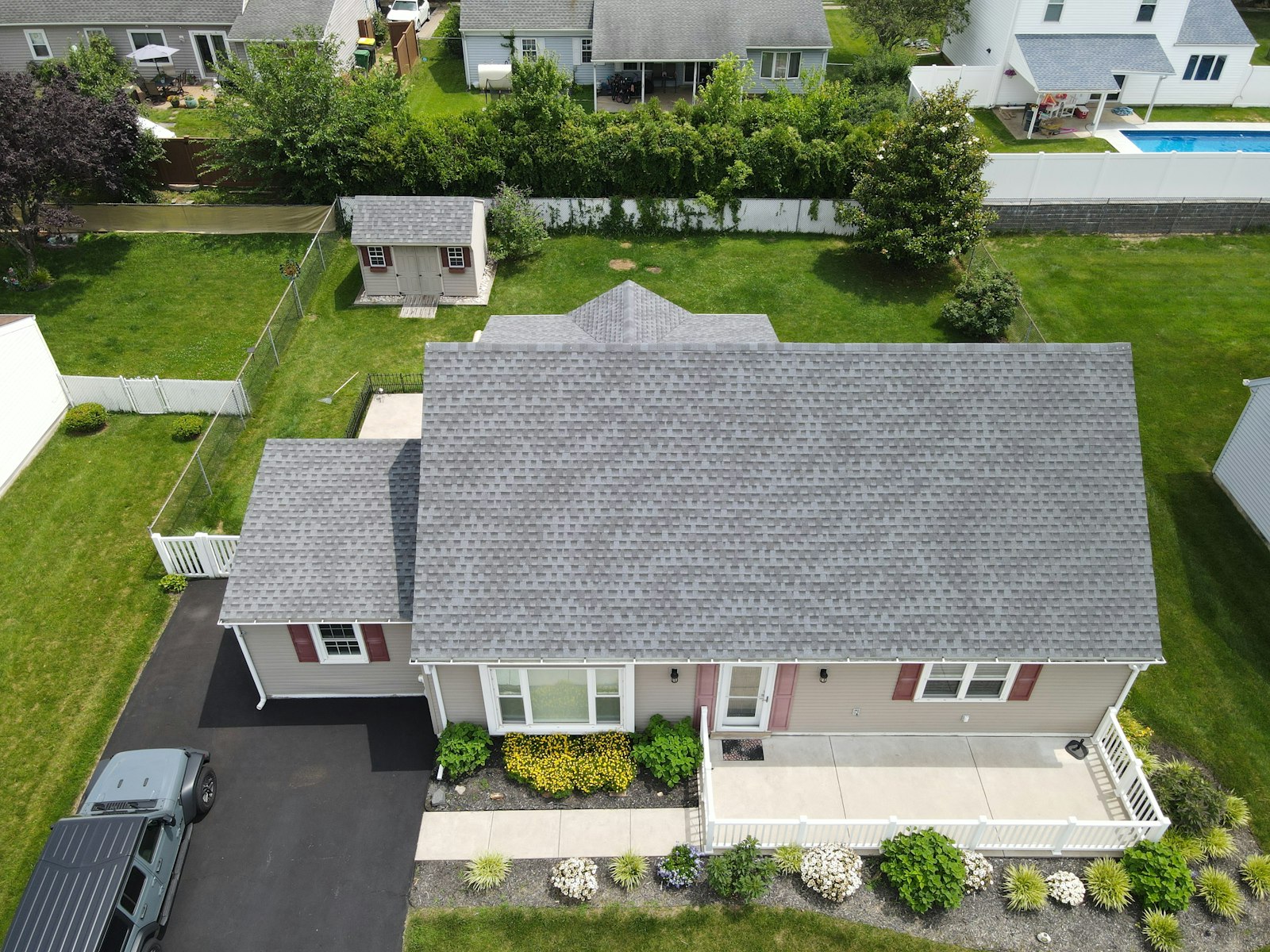
Lighter colors naturally reflect more sun, which is why a light roof runs cooler than a black one. But you no longer have to choose between efficiency and the look you want. Modern “cool” pigments let many darker shingle and metal colors meet reflectance standards, so you can get meaningful energy performance without giving up the curb appeal of a deeper color. If efficiency matters to you, ask which colors carry a cool-roof or Energy Star rating.
Insulation: the second half of the equation
A reflective roof reduces how much heat lands on your home; insulation controls how much of that heat actually reaches your living space. Even the best roof can’t do its job if the attic underneath is poorly insulated. Bringing your attic insulation up to modern levels works hand in hand with the roof to keep conditioned air where it belongs — and it helps in winter, too, by holding warmth inside.
Ventilation ties it together
Finally, ventilation lets the trapped heat escape. A well-ventilated attic flushes out hot air instead of letting it build to oven-like temperatures, which protects both your energy bill and your shingles. Reflectivity, insulation, and ventilation are a team: get all three right and the roof becomes one of the most cost-effective energy upgrades on the house. (For a deeper look, see our guide on ventilation and your roof.)
What it adds up to in Middle Tennessee
Because our long, hot summers dominate the energy year, an efficient roof pays off more often than not — the cooling savings typically outweigh any small loss of free winter sun from a reflective surface. The result is lower bills, a more comfortable home, and a roof that lasts longer because it runs cooler. Southern Roofing Co. has helped Middle Tennessee homeowners build more efficient roofs for over four decades. Request an estimate to talk through the options for your home.